For many Android users, Chrome feels like the natural choice—familiar, pre-installed, and tightly tied to everything Google. But over time, some users start noticing things they don’t love: sluggish performance, limited privacy control, and a rigid interface. That’s when Samsung Internet starts to stand out.
It’s not flashy, but it runs fast, respects privacy out of the box, and gives users more ways to control how their browser looks and behaves. People aren’t just trying it—they’re switching for good. What started as curiosity often turns into a permanent move, driven by daily convenience rather than big marketing promises.

A common reason for switching is performance. Samsung Internet often feels faster and more balanced than Chrome, especially on mid-range or older Android devices. Chrome can feel heavy, slowing as more tabs open or when background apps run. Samsung Internet handles these tasks efficiently, maintaining steady responsiveness. Pages load quickly, and scrolling remains fluid. Users who stream, read, or shop online regularly notice that Samsung’s browser uses fewer resources while maintaining a cool device temperature.
This performance edge is partly due to how Samsung Internet is built to work with Android hardware, particularly on Galaxy phones. Even non-Samsung users report smoother multitasking and fewer crashes. For people tired of Chrome’s tendency to lag after long sessions, Samsung Internet offers a more reliable experience without draining power or memory.
Privacy is another deciding factor. Samsung Internet includes Smart Anti-Tracking, which automatically blocks cross-site tracking and invasive cookies. Its Secret Mode creates a separate browsing environment that doesn’t save history, cookies, or autofill data. These tools are straightforward, with settings displayed clearly for users to adjust without digging through complex menus.
Chrome offers privacy options, but often hides them behind multiple layers. Its data policies tie closely to Google's advertising ecosystem, leaving some users skeptical. Samsung's direct approach to privacy feels more genuine. By giving users visible and effective tools from the start, it encourages safer browsing without demanding constant manual adjustments.
Customization is where Samsung Internet truly stands out. Users can shift the address bar position, rearrange icons, and adjust the toolbar layout. The interface can be personalized to suit how someone actually holds or uses their phone. Chrome, in comparison, limits layout flexibility and offers fewer ways to tailor the interface.
The browser also supports add-ons like content blockers, password managers, and translators. These extensions are designed for mobile performance and can be activated quickly. This sense of control over both look and function creates a more natural browsing environment. For users who spend much of their day online, small design freedoms make a noticeable difference.
For people using Samsung devices, the browser’s ecosystem connection is a major appeal. Bookmarks, saved pages, and open tabs sync smoothly through a Samsung account, keeping data consistent across phones and tablets. This system works independently of Google accounts, allowing users to browse freely without relying entirely on one company’s framework.
Chrome syncs efficiently, too, but its dependence on Google's ecosystem can feel restrictive. Samsung Internet provides balance—it keeps convenience intact while offering a choice in how users manage their data. That independence gives some users peace of mind, especially those looking to limit their exposure to Google's data-sharing model.
Samsung Internet includes a thoughtful reader mode that clears distractions from web articles. It simplifies text layout and lets users adjust font style, size, and background tone for better visibility. Chrome offers a similar function but requires hidden settings to activate, meaning fewer people use it.
The browser’s video assistant enhances playback options by enabling floating windows and picture-in-picture mode. It’s convenient for multitasking—users can watch a clip while messaging or browsing elsewhere. The feature feels fluid and practical, making Samsung Internet particularly appealing for those who consume a lot of video content.
Samsung Internet’s download manager is simple yet effective. It organizes downloads by file type and offers clear progress tracking. Users can pause, resume, or open files without switching apps. It also provides quick access to saved files through a clean interface.
Chrome’s file handling feels less organized in comparison. Downloads are often tucked away, and finding them takes more steps. People who frequently save images, PDFs, or media appreciate how Samsung Internet reduces confusion and saves time. It fits naturally into everyday device use rather than feeling like an afterthought.
Another strong reason users prefer Samsung Internet is its built-in content blocking. The browser supports multiple blockers, helping reduce intrusive ads, scripts, and trackers. This not only cleans up pages but also conserves data and improves battery efficiency. Browsing feels calmer and smoother, especially on slower networks.
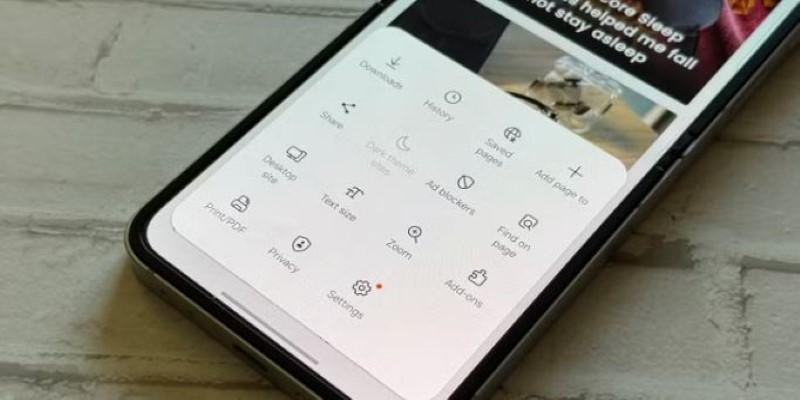
Chrome does allow ad blocking through extensions, but setup is more complex and often inconsistent across devices. Samsung Internet makes it accessible through a quick setting toggle. For those seeking a cleaner digital space without distractions, this feature is one of the browser’s biggest draws.
Samsung updates its browser regularly with visible improvements. Many of these updates come directly from user feedback, addressing small frustrations and usability issues. New versions often refine performance, expand accessibility options, or adjust layouts to make browsing easier.
Chrome's updates are frequent, too, though they tend to serve Google's wider product ecosystem. Users who want a browser that evolves based on how they use it often find Samsung Internet's development more relatable. It feels closer to user needs rather than corporate priorities, creating loyalty through consistent improvement.
Switching from Chrome to Samsung Internet isn’t about rejecting Google—it’s about choosing a smoother, more user-controlled experience. The browser loads faster, respects privacy, and offers flexibility in both appearance and function. It performs well across devices without draining resources or cluttering the screen. For Android users who value comfort and control, Samsung Internet has become a permanent choice. Its mix of speed, balance, and independence makes daily browsing simpler and more personal, proving that convenience doesn’t have to come at the cost of choice or privacy.
 TOP
TOP
Get an in-depth look at the new Photoshop iPhone App. We unpack the full feature set, including Generative AI, non-destructive compositing, and seamless Creative Cloud integration for true Mobile Photo Editing
 TOP
TOP
Deciding if upgrading to a paid Dropbox plan is worth the cost? We analyze the features of Dropbox Plus Worth It, including Smart Sync, secure sharing, and advanced file versioning for professionals
 TOP
TOP
Unlock the full potential of YouTube Music. Discover nine hidden features like Smart Downloads, the seamless video toggle, and custom radio builders to transform your listening
 TOP
TOP
Explore the quiet evolution of One UI 8. Discover the refined multitasking, faster AI tools like Audio Eraser, and subtle visual enhancements in the new Samsung software update
 TOP
TOP
Transform your holiday with smart home automations. Create enchanting light shows and Santa sightings that elevate the holiday magic for your kids
 TOP
TOP
How I turned my Boox Palma into a portable word processor for focused, on-the-go writing with minimal distractions
 TOP
TOP
Explore the best gaming laptops of 2025 with high-end graphics, fast refresh rates, and optimized performance for serious play
 TOP
TOP
Discover the best ad blocker tools to improve speed, reduce clutter, and protect your privacy while browsing online
 TOP
TOP
Make your Google Pixel 9a work your way by adjusting key settings that improve performance, layout, and daily use
 TOP
TOP
Boost digital security with 10 practical steps to stay safe online—no need to go offline or give up your digital lifestyle
 TOP
TOP
Discover the best movie showtimes app for iPhone in 2025. Compare features, reviews, and ticket options for your next movie night
 TOP
TOP
Use Android Auto routines to simplify driving. Discover how automation beyond home use improves commutes and road trips