Logging into WordPress with a username and password has been the norm for years, but it’s not always the safest or most convenient way. Passwords can be stolen, forgotten, or reused across multiple sites, creating easy openings for hackers. That’s where Clef comes in — a password-free login tool that replaces traditional credentials with a secure, smartphone-based authentication method. In this guide, we’ll walk through every step of adding Clef to WordPress, making your site easier to access and far more secure at the same time.
Clef is a unique login solution that uses your phone instead of passwords. Rather than typing in a username and password, you log in by scanning a moving blue wave on your computer screen with the Clef mobile app. Once the wave is recognized, Clef connects your phone and your WordPress dashboard securely using cryptographic keys. There’s no data stored on a server for hackers to steal and no password to forget.
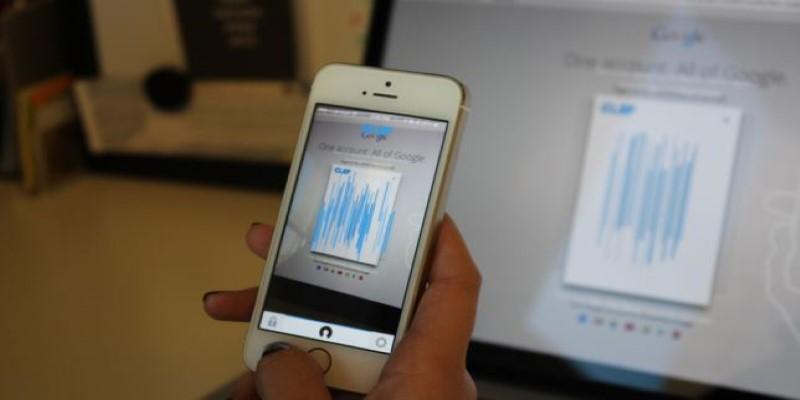
The beauty of Clef is in its simplicity. It gives you both ease of access and strong protection. For website owners managing multiple accounts or logging in frequently, it removes the hassle of remembering long credentials. For developers and security-conscious users, it removes one of the most common attack points: passwords. This balance between usability and security is why so many WordPress users adopted Clef before it was discontinued as a service — but it remains an excellent case study for understanding password-free authentication.
Setting up Clef for WordPress is straightforward. Though the official Clef plugin was discontinued, you can still understand how it worked — and even replicate similar password-free systems using modern equivalents based on Clef’s open principles. Here’s how it worked when active, step by step.
First, log in to your WordPress dashboard as an administrator. Go to Plugins and choose Add New. In the search box, type “Clef” and click Install Now next to the “Clef Two-Factor Authentication” plugin. Once it’s installed, hit Activate. This adds Clef’s settings panel to your WordPress admin area.
Next, download the Clef mobile app from the Google Play Store or Apple App Store on your smartphone. Open the app, and it will generate a Clef wave — a kind of moving blue pattern unique to your session. On your WordPress site, under Clef Settings, you’ll see a similar blue wave animation. Hold your phone up to the screen and let the app scan it. Within a second or two, the app will sync with your website, securely linking your Clef account to your WordPress login.
Once connected, Clef replaces the password box on your login page. Instead of typing credentials, you’ll see the familiar wave animation. To log in, open the Clef app on your phone, hold it up to the screen, and scan the wave. Your site will recognize your phone and log you in instantly.
This pairing remains valid as long as you’re logged into the app. When you’re finished working, you can log out from both the site and your phone at once. This makes it nearly impossible for anyone to access your WordPress dashboard without your phone and your Clef identity key.
One of Clef’s best features was its seamless management of multiple users. Once Clef was set up, you could choose which roles required it for login — for example, enforcing it for administrators and editors while leaving passwords available for subscribers. This balance kept sites flexible while maintaining tight control over sensitive areas.
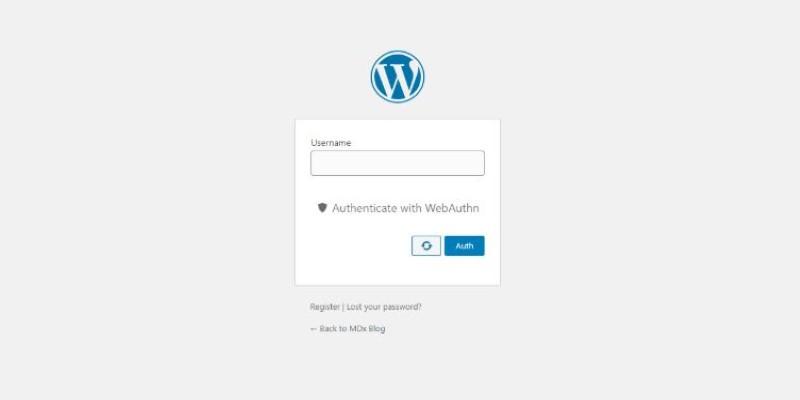
Inside the Clef settings panel, you could also enable “Password Disable Mode.” When turned on, WordPress would stop accepting passwords altogether, forcing users to log in exclusively through Clef. This was perfect for site owners who wanted total protection against password-based attacks such as brute force or phishing attempts.
For extra security, Clef supported one-touch logout. You could end all active sessions across multiple devices just by sliding down the Clef app’s control screen on your phone. This made it easy to secure your account if your device was lost or if you forgot to log out on a shared computer.
For team environments, Clef simplified onboarding. Each new user could install the Clef app, connect their phone, and join your WordPress site without ever sending passwords by email. That eliminated a major weak point in many site setups — sharing credentials over insecure channels.
While Clef itself no longer operates, its approach inspired a new wave of password-free tools and plugins that use biometrics, mobile tokens, or hardware keys. Many follow Clef’s model of verifying identity through cryptographic signatures instead of stored passwords. If you’re setting up a site today, plugins like “Passwordless Login” or “WebAuthn for WordPress” provide similar experiences built on Clef’s original design philosophy.
The impact of adding password-free login to WordPress goes beyond convenience. It reduces the chance of hacking attempts since there are no passwords to steal or guess. Brute-force attacks and phishing emails lose their effectiveness, and the burden of resetting forgotten passwords drops for site owners and support teams.
User experience improves significantly. Logging in becomes a quick scan, not a memory test. For those managing several WordPress sites, it saves time and helps users with accessibility needs who may find typing long passwords difficult.
From a security standpoint, Clef’s system offered two-factor authentication without the friction many setups have. Traditional methods send codes by text or email, which can be intercepted. Clef’s cryptographic pairing removed that risk by connecting your phone directly to the site through encryption.
For modern users, the concept still matters. Password-free systems now use facial recognition, fingerprints, or passkeys — all following Clef’s principle: removing passwords while keeping access safe and easy. Such systems build trust, simplify management, and strengthen protection for your online presence.
Using Clef for password-free WordPress login was a forward-thinking way to combine simplicity with security. It replaced vulnerable passwords with quick, encrypted phone verification, offering both ease and protection. Though Clef is no longer active, its concept continues to shape today’s login systems, proving that security can be smart, seamless, and user-friendly without traditional passwords.
 TOP
TOP
Get an in-depth look at the new Photoshop iPhone App. We unpack the full feature set, including Generative AI, non-destructive compositing, and seamless Creative Cloud integration for true Mobile Photo Editing
 TOP
TOP
Deciding if upgrading to a paid Dropbox plan is worth the cost? We analyze the features of Dropbox Plus Worth It, including Smart Sync, secure sharing, and advanced file versioning for professionals
 TOP
TOP
Unlock the full potential of YouTube Music. Discover nine hidden features like Smart Downloads, the seamless video toggle, and custom radio builders to transform your listening
 TOP
TOP
Explore the quiet evolution of One UI 8. Discover the refined multitasking, faster AI tools like Audio Eraser, and subtle visual enhancements in the new Samsung software update
 TOP
TOP
Transform your holiday with smart home automations. Create enchanting light shows and Santa sightings that elevate the holiday magic for your kids
 TOP
TOP
How I turned my Boox Palma into a portable word processor for focused, on-the-go writing with minimal distractions
 TOP
TOP
Explore the best gaming laptops of 2025 with high-end graphics, fast refresh rates, and optimized performance for serious play
 TOP
TOP
Discover the best ad blocker tools to improve speed, reduce clutter, and protect your privacy while browsing online
 TOP
TOP
Make your Google Pixel 9a work your way by adjusting key settings that improve performance, layout, and daily use
 TOP
TOP
Boost digital security with 10 practical steps to stay safe online—no need to go offline or give up your digital lifestyle
 TOP
TOP
Discover the best movie showtimes app for iPhone in 2025. Compare features, reviews, and ticket options for your next movie night
 TOP
TOP
Use Android Auto routines to simplify driving. Discover how automation beyond home use improves commutes and road trips